A Family Resource

CLEARING OUT A
FAMILY HOME

A practical guide for Annapolis Valley families and executors facing the task of emptying and cleaning a loved one’s home after a loss.

One Step
at a Time

Clearing out a parent’s or loved one’s home is one of the hardest practical tasks a family faces, and it usually arrives at the worst possible time. If you’ve found this page in that situation, we’re sorry for your loss, and we hope what follows makes the road ahead a little clearer.

The most important thing to know is that very little of this needs to happen immediately. Beyond securing the property and handling time-sensitive paperwork, most of the work of sorting, clearing, and cleaning a family home can proceed at whatever pace your family needs.

This guide walks through the process as we’ve seen Annapolis Valley families navigate it: what to do first, how to approach the belongings, where things can go, and when it makes sense to bring in help.

Six Stages, Taken
at Your Own Pace

01

Secure the Property

Lock up, collect spare keys from neighbours or caregivers, and notify the home insurance provider that the property is unoccupied. Many policies have vacancy conditions, and a quick call protects the estate. In winter, keep the heat on to prevent frozen pipes.

02

Gather Important Documents

Before anything is moved, locate the will, banking and insurance records, property deeds, tax files, and personal identification. These tend to be scattered through desks, filing boxes, and dresser drawers, and they are far easier to find in an untouched house.

03

Confirm Who Has Authority

In Nova Scotia, the executor named in the will is generally responsible for the estate’s property, and some situations require probate before belongings are distributed or sold. A brief conversation with an estate lawyer early on can prevent real complications later.

04

Sort in Passes, Not All at Once

Trying to make every decision in one weekend is how families burn out. Work in passes: first the items family members want, then documents and photographs, then what can be donated, and finally what remains. Label as you go, and let harder decisions wait for a later pass.

05

Donate & Dispose Locally

The Valley has good options for household goods: thrift and charity stores in New Minas and Kentville, church and community groups that accept furniture, and municipal waste facilities for what can’t be rehomed. Donating well takes longer than discarding, but many families find it meaningful.

06

The Final Cleanout & Deep Clean

Once decisions are made, the remaining work is physical: clearing what’s left, then cleaning the empty home properly, especially if it’s headed for sale or transfer. This is the stage where professional help makes the biggest difference, and where we most often step in. If you're managing the estate from a distance, the entire sequence can be handled on your behalf.

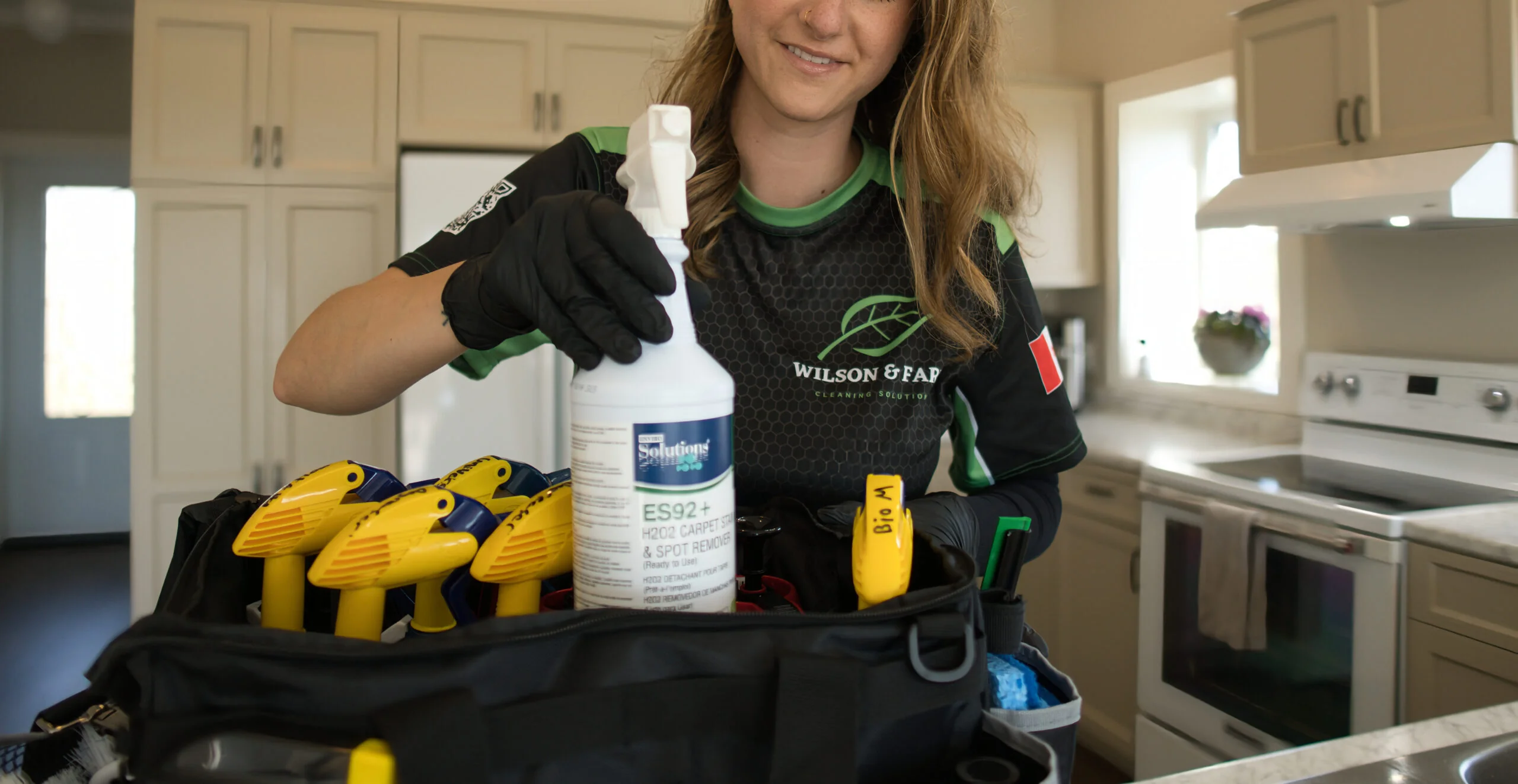
Deep cleaning a family home in the Annapolis Valley

What Families
Often Underestimate

The sheer physical scale. A home lived in for forty years holds more than most families expect. What looks like a few weekends of work is often several weeks of sorting, lifting, and hauling, and it lands on the same people who are handling everything else.

The emotional weight of the objects. Sorting a parent’s belongings is not like decluttering your own. Every drawer holds a decision with feeling attached. Working in short sessions, with breaks and company, is more sustainable than marathon days.

The condition of a long-occupied or vacant home. Homes that were difficult to maintain in later years, or that have sat empty, can carry real hazards: heavy buildup, mould, or rodent activity. Disturbing rodent droppings without the right protocol is a genuine health risk, and it’s work for trained hands.

The standard a sale requires. If the home is going to market, buyers and inspectors will open the oven, check the grout, and look inside cabinets. An empty house still needs a proper deep clean before it shows well.

When It Makes Sense
to Bring In Help

Many families handle the sorting themselves and bring in professionals for the clearing and cleaning. Others, especially those managing an estate from another province or country, hand over the entire process from start to finish. There is no wrong division of labour.

What a Professional Cleanout Involves

A reputable estate cleanout service assesses the property first, in person or remotely through photos and video if you're away, puts the full scope in writing, and removes nothing without your authorization. The work proceeds room by room, with items sorted to your instructions, and finishes with a deep clean of the empty home.

For homes with biological concerns such as rodent activity, look for GBAC-trained technicians, the certification specific to safe contamination cleanup.

How Wilson & Farr Handles It

We serve families and executors across the Annapolis Valley with exactly this work: written scope before anything begins, discretion as standard, one point of contact wherever possible, and GBAC-trained technicians for homes that need more than cleaning. Many of the estates we handle are managed from another province or country, so we offer the complete package: bin rentals arranged, sorting and donation decisions made under guidelines you set, judgment calls weighed with the home's sale value in mind, and the final deep clean before listing.

Every one of these jobs starts with a conversation, not a form. Read about our estate cleanout service, or call when you’re ready.

This guide offers general practical information for families, not legal advice. For questions about wills, probate, or an executor’s obligations in Nova Scotia, please consult an estate lawyer.

If and When You’re Ready, We Can Help

No pressure and no obligation. Start with a conversation about what the property needs.

Get in Touch Call (902) 993-0049